



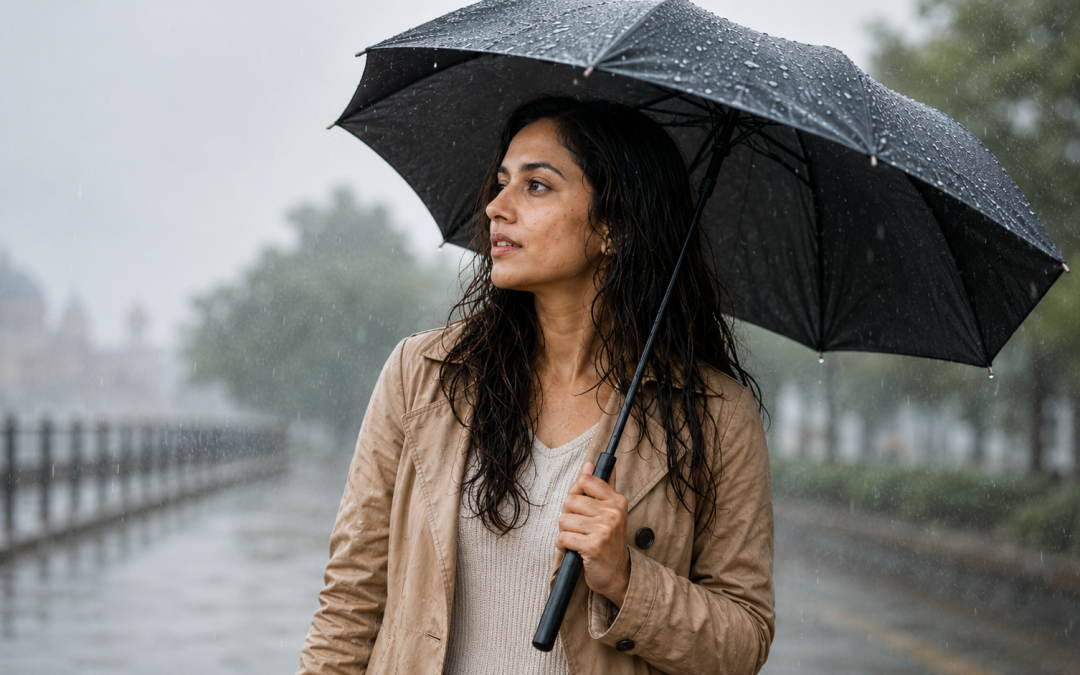
The monsoon season brings welcome relief from the summer heat, but it also creates unique challenges for your skin and hair. Increased humidity, frequent rain, sweat, pollution, and damp weather can trigger a variety of concerns from acne breakouts and fungal infections to frizzy hair and seasonal hair fall.
A few simple changes to your skincare and haircare routine can go a long way in keeping your skin healthy and your hair strong throughout the rainy season.
This guide covers the most common monsoon-related skin and hair problems and shares dermatologist-recommended solutions to help you enjoy the season without compromising your skin or scalp health.
Why Does the Monsoon Affect Your Skin and Hair?
During the rainy season, humidity levels increase significantly. Excess moisture in the air causes your skin to produce more oil while creating an ideal environment for bacteria and fungi to thrive.
At the same time, rainwater, pollution, and sweat can accumulate on your skin and scalp, leading to clogged pores, irritation, and infections.
As a result, many people notice changes in their skin and hair that they don’t experience during other seasons.
Common Skin Problems During Monsoon
1. Oily Skin and Acne Breakouts
Humidity stimulates the sebaceous glands, causing excess oil production. This extra oil combines with dirt, sweat, and dead skin cells, increasing the chances of clogged pores and acne.
Dermatologist-Recommended Solutions
- Cleanse your face twice daily with a gentle cleanser.
- Choose lightweight, non-comedogenic moisturisers.
- Avoid washing your face repeatedly, as this may increase oil production.
- Remove makeup completely before sleeping.
- Use products suitable for your skin type instead of following viral trends.
- Fungal Skin Infections
Warm, damp conditions make fungal infections more common during the monsoon.
These infections often affect:
- Underarms
- Groin
- Feet
- Neck folds
- Under the breasts
Common Symptoms
- Itching
- Red circular rashes
- Burning sensation
- Peeling skin
- Persistent irritation
Dermatologist-Recommended Solutions
- Keep affected areas clean and dry.
- Change out of wet clothes promptly.
- Wear breathable cotton clothing.
- Avoid sharing towels or personal hygiene items.
- Seek medical advice if symptoms persist or spread.
- Skin Allergies and Irritation
Sensitive skin may react to changes in weather, pollution, or moisture.
You may notice:
- Redness
- Itching
- Small rashes
- Burning sensation
- Increased sensitivity
Dermatologist-Recommended Solutions
- Use fragrance-free skincare products.
- Avoid harsh scrubs and excessive exfoliation.
- Moisturise regularly to maintain a healthy skin barrier.
- Consult a dermatologist if irritation continues for several days.
- Dry Skin Can Still Occur
Although humidity is high, some people experience dehydration due to frequent cleansing or using products that strip away natural oils.
Tips
- Apply a moisturiser immediately after cleansing.
- Drink enough water throughout the day.
- Avoid very hot showers.
- Use gentle cleansers that do not over-dry the skin.
- Don’t Skip Sunscreen
Many people mistakenly believe sunscreen is unnecessary during cloudy weather.
However, ultraviolet (UV) rays can still penetrate clouds and contribute to:
- Pigmentation
- Premature ageing
- Uneven skin tone
- Sun damage
Recommendation
Use a broad-spectrum sunscreen with SPF 30 or higher every day, even when it is raining.
Common Hair Problems During Monsoon
1. Increased Hair Fall
Seasonal hair fall is one of the most common complaints during the monsoon. While losing some hair is normal, excessive shedding may indicate underlying scalp issues.
Contributing factors include:
- Humidity
- Sweat buildup
- Poor scalp hygiene
- Nutritional deficiencies
- Stress
Dermatologist-Recommended Solutions
- Wash your scalp regularly using a mild shampoo.
- Maintain a balanced diet rich in protein and iron.
- Avoid tying wet hair tightly.
- Seek professional evaluation if hair fall becomes excessive.
- Frizzy and Unmanageable Hair
High humidity causes hair strands to absorb excess moisture from the air, leading to frizz.
Tips
- Use a nourishing conditioner after every wash.
- Apply a lightweight hair serum to reduce frizz.
- Avoid excessive heat styling.
- Pat your hair dry instead of rubbing it with a towel.
- Dandruff and Itchy Scalp
The combination of sweat, oil, and humidity can encourage fungal overgrowth on the scalp, worsening dandruff.
Symptoms
- White flakes
- Persistent itching
- Oily scalp
- Redness
Dermatologist-Recommended Solutions
- Use an anti-dandruff shampoo if recommended.
- Wash your hair regularly.
- Avoid scratching your scalp.
- Visit a dermatologist if dandruff persists despite treatment.
4. Scalp Infections
Wearing wet caps, helmets, or leaving hair damp for long periods may increase the risk of scalp infections.
Prevention Tips
- Dry your hair thoroughly after getting wet.
- Clean combs and brushes regularly.
- Avoid sharing hair accessories.
- Keep your scalp clean and well-ventilated.
Monsoon Skincare Routine Recommended by Dermatologists
An effective rainy-season skincare routine doesn’t have to be complicated.
Morning Routine
- Gentle cleanser
- Lightweight moisturiser
- Vitamin C serum (if suitable)
- Broad-spectrum sunscreen
Night Routine
- Cleanse thoroughly
- Apply a hydrating moisturiser
- Use treatment products only if recommended by your dermatologist
Avoid introducing multiple new products during the monsoon, as irritated skin is more prone to reactions.
Monsoon Haircare Routine
Maintain a simple yet consistent routine.
- Shampoo according to your scalp’s needs.
- Use conditioner mainly on the hair lengths.
- Avoid sleeping with wet hair.
- Protect your hair from rain whenever possible.
- Eat protein-rich foods to support healthy hair growth.
Lifestyle Tips for Healthy Skin and Hair During Monsoon
Healthy habits play an important role in maintaining your skin and hair.
- Stay hydrated throughout the day.
- Eat fresh fruits and vegetables rich in antioxidants.
- Reduce excessive oily and sugary foods.
- Change out of wet clothing promptly.
- Wash pillowcases and towels regularly.
- Manage stress through regular exercise and adequate sleep.
When Should You Visit a Dermatologist?
While mild seasonal concerns often improve with proper care, professional evaluation is recommended if you notice:
- Persistent acne
- Excessive hair fall lasting several weeks
- Severe dandruff
- Painful scalp irritation
- Fungal infections that do not improve
- Skin rashes spreading rapidly
- Persistent itching or redness
Early diagnosis helps prevent complications and allows treatment before the condition worsens.
The rainy season doesn’t have to mean constant breakouts, frizzy hair, or itchy skin. Understanding how humidity affects your skin and scalp allows you to make simple adjustments that keep both healthy throughout the season.
Following a gentle skincare routine, maintaining good hygiene, protecting your skin from UV rays, and caring for your scalp consistently can help minimise common monsoon problems.
If seasonal skin or hair concerns continue despite proper care, consulting a qualified dermatologist can help identify the underlying cause and recommend the most suitable treatment for your individual needs.
Frequently Asked Questions (FAQs)
1. Why does hair fall increase during the monsoon?
Humidity, sweat buildup, scalp infections, seasonal hair cycles, nutritional deficiencies, and stress can all contribute to increased hair fall during the rainy season.
2. Should I moisturise my skin during the monsoon?
Yes. Even oily skin needs hydration. Choose a lightweight, non-comedogenic moisturiser that suits your skin type.
3. Can fungal infections spread more easily during the rainy season?
Yes. Warm and humid conditions create an environment where fungi can grow more easily, particularly in areas that remain damp.
4. Is sunscreen necessary on cloudy or rainy days?
Absolutely. UV rays can penetrate clouds, so daily sunscreen helps protect against pigmentation, sun damage, and premature ageing.
5. How often should I wash my hair during the monsoon?
Wash your hair based on your scalp type and activity level. If your scalp becomes oily or sweaty frequently, regular cleansing with a mild shampoo can help maintain scalp health.
6. When should I consult a dermatologist for monsoon-related skin or hair problems?
If you experience persistent acne, excessive hair fall, fungal infections, severe dandruff, or skin irritation that does not improve with home care, it is advisable to seek professional medical advice.