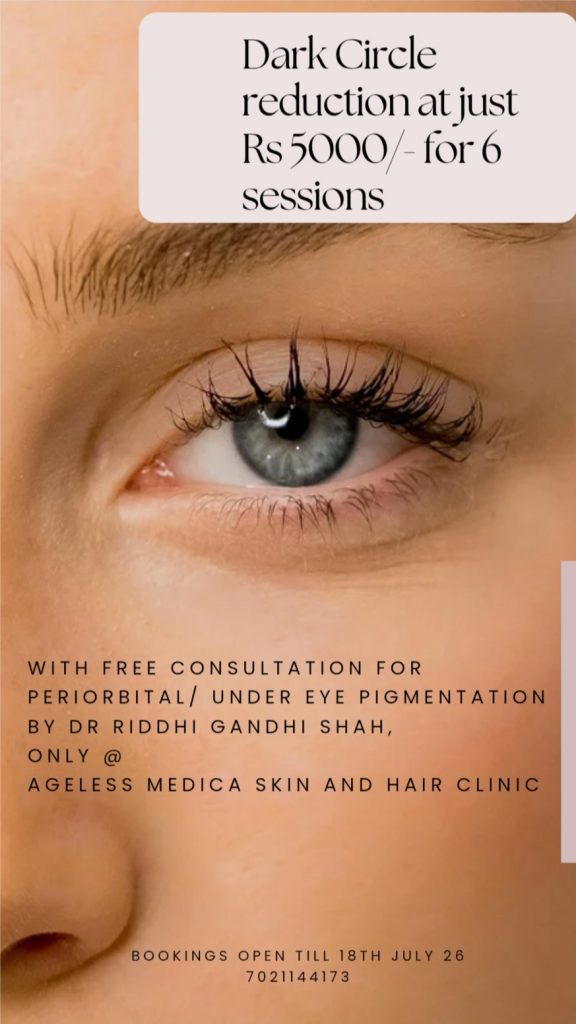





Uneven skin tone is one of the most common skin concerns. It may appear as dark patches, tanning, post-acne marks, sun spots, or an overall dull appearance. Although these concerns can look similar, they do not necessarily have the same cause.
This is why treating pigmentation usually begins with understanding what is happening beneath the surface rather than immediately choosing the most popular procedure.
A consultation with a dermatologist can help identify whether the concern is related to sun exposure, inflammation, hormonal changes, acne, skincare irritation, or other factors. Once the cause is understood, a more suitable treatment plan can be created.
Why Does Pigmentation Happen?
The skin produces melanin naturally, but certain triggers can cause excess pigment to develop in specific areas.
Common contributors include:
- Prolonged sun exposure
- Acne and inflammation
- Hormonal changes
- Certain skincare products
- Skin irritation
- Age-related changes
- Previous injuries or procedures
Someone considering pigmentation treatment may therefore need a very different approach from another person with a similar-looking patch.
For example, post-acne pigmentation may respond differently from melasma or sun-induced pigmentation.
Where Does Laser Toning Fit In?
Laser toning is one option that dermatologists may consider for selected pigmentation and uneven-tone concerns.
During laser toning treatment, controlled laser energy is used according to the person’s skin type and the nature of the pigmentation.
The objective is not simply to make the skin lighter. Instead, treatment generally focuses on reducing unwanted areas of excess pigmentation and creating a more even-looking complexion.
Results can vary depending on the depth and cause of the pigmentation, which is why the number of sessions cannot be identical for everyone.
Can Chemical Peels Help?
Chemical peels are another commonly used option for dull-looking skin, post-acne marks, and certain superficial pigmentation concerns.
During peel treatment, a carefully selected solution is applied to exfoliate specific layers of the skin.
Different peels are designed for different concerns. A mild peel may be selected for surface-level dullness, while another formulation may be more appropriate for pigmentation or acne-prone skin.
Using stronger treatments does not necessarily lead to better results. The skin’s sensitivity and ability to tolerate the procedure matter just as much.
What About Hydrafacial?
Hydrafacial is often chosen by people who want their skin to feel refreshed, hydrated, and deeply cleansed.
People looking for the best Hydrafacial treatment should understand that it primarily supports hydration, cleansing, and surface skin quality.
It may complement a pigmentation treatment plan but does not necessarily replace procedures designed specifically for deeper or persistent pigmentation.
Lip Pigmentation Requires a Different Approach
Dark or uneven lips can develop for several reasons, including irritation, certain products, sun exposure, and individual pigmentation tendencies.
When considering lip lightening treatment, it is important to identify possible triggers before deciding on treatment.
Constantly exfoliating the lips or using unverified products can sometimes increase irritation rather than improve pigmentation.
A Better Way to Approach Uneven Skin Tone
Instead of selecting a treatment because it worked for someone else, it is better to understand your own skin first.
Pigmentation treatment may involve a combination of:
- Sun protection
- Dermatologist-recommended skincare
- Chemical peels
- Laser-based treatments
- Hydration-focused procedures
- Lifestyle modifications
The right combination depends on the individual.
Frequently Asked Questions
- Does pigmentation always require laser treatment?
No. Some pigmentation concerns may respond to skincare, sun protection, chemical peels, or other treatments. Laser treatment is considered according to the type and depth of pigmentation. - How many laser toning sessions may be needed?
There is no fixed number. It depends on the pigmentation, skin type, and how the skin responds to treatment. - Can Hydrafacial remove pigmentation?
Hydrafacial can improve hydration and surface appearance, but persistent pigmentation may require additional targeted treatment. - Can chemical peels make the skin sensitive?
Temporary sensitivity can occur. The type and strength of the peel should therefore be selected according to the skin. - Can pigmentation return after treatment?
Yes. Sun exposure, hormones, and other triggers can cause pigmentation to recur, which is why maintenance skincare and sun protection are important.